
Get Dry Rot Remediation in Allen, TX
Dry rot remediation services help property owners in Allen, TX, by identifying and removing decayed wood caused by moisture, preventing structural damage, and restoring safety.
Dry rot can cause significant damage to properties in Allen, TX, compromising structural integrity and leading to costly repairs if left unaddressed. Property owners exploring remediation options often seek experienced service providers who can effectively identify and treat the affected areas. Whether dealing with visible decay or hidden issues, understanding available local contractors can help in planning a comprehensive approach to restoring safety and stability to a building.
For those considering dry rot remediation, comparing local service providers ensures access to qualified professionals equipped to handle diverse situations. Taking the time to evaluate different options can lead to finding the right team for your project, providing peace of mind that experienced experts are managing the job. Keep reading to learn more about how local contractors can assist with dry rot issues and support your property’s maintenance needs.
- Dry Rot Damage Repair - needed when wood structures in homes or buildings show signs of decay due to moisture exposure.
- Wood Restoration Services - required when wood surfaces in attics, basements, or crawl spaces become compromised by dry rot.
- Structural Reinforcement - necessary if dry rot has weakened load-bearing beams or support posts in residential or commercial properties.
- Mold and Mildew Removal - advised when dry rot has led to mold growth in damp, affected areas of a property.
- Moisture Control Solutions - essential for preventing future dry rot issues in homes located in humid neighborhoods or areas prone to moisture buildup.
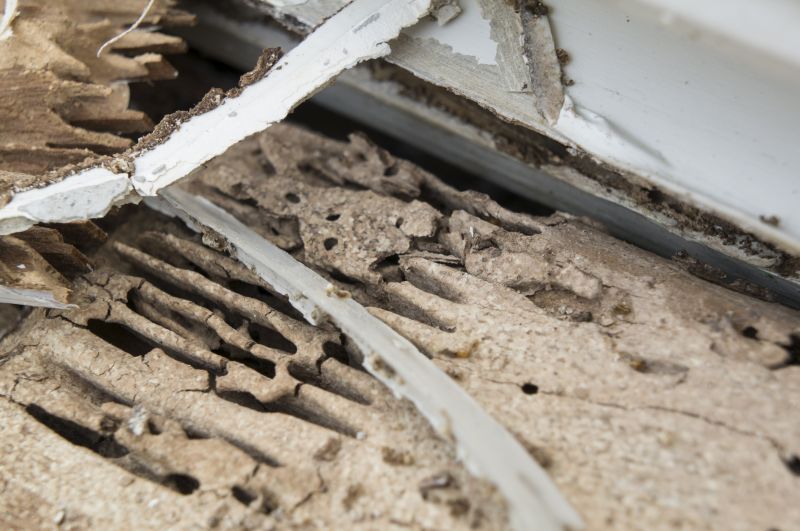
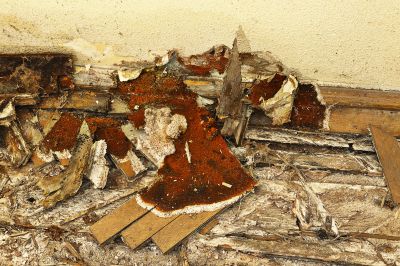
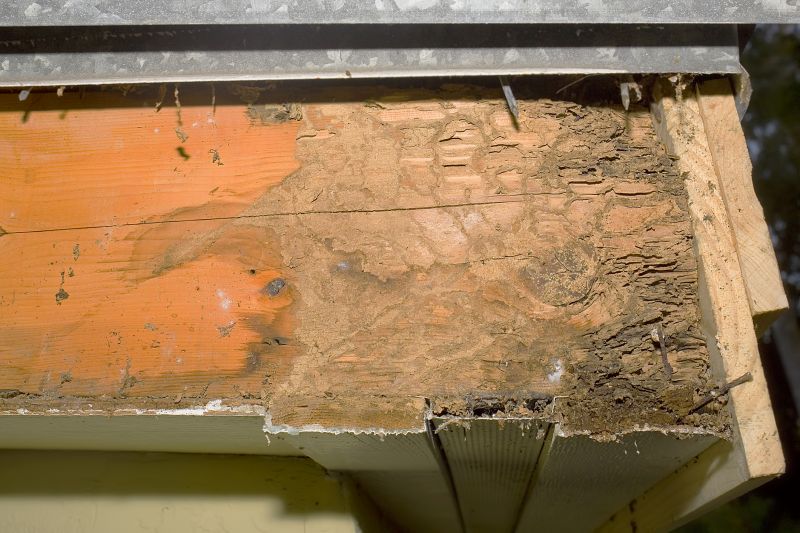
Dry rot remediation services involve the detection and removal of decayed wood caused by a specific type of fungal growth that thrives in moist, humid environments. When moisture penetrates wood structures, it creates an ideal environment for dry rot to develop, leading to weakened and brittle wood components. Skilled service providers assess the affected areas, identify the extent of the damage, and carefully remove the compromised material. They then treat the remaining wood and surrounding areas to prevent future growth, ensuring the integrity and safety of the property are restored.
This service addresses problems such as structural instability, sagging floors, compromised beams, and deteriorated framing that can threaten the safety of a building. Dry rot often begins in hidden areas like basements, crawl spaces, or behind walls, making early detection critical. Without proper remediation, the fungal decay can spread quickly, causing extensive damage that may lead to costly repairs or even the need for complete replacement of affected structures. Local contractors use specialized techniques and treatments to halt the progression of dry rot and protect the property’s long-term stability.
Properties most commonly needing dry rot remediation include older homes with wooden framing, basements, attics, or areas prone to moisture buildup. Commercial buildings with wooden support structures or those located in humid climates can also be vulnerable. In regions like Allen, TX, where seasonal humidity and occasional water intrusion can create favorable conditions, property owners should remain vigilant for signs of dry rot. If there are visible signs of wood decay, musty odors, or sagging wood components, professional assessment and treatment can help prevent further damage and preserve the property's value.
Engaging with experienced service providers for dry rot remediation ensures that the problem is handled effectively and efficiently. These local contractors are equipped to evaluate the severity of the decay, recommend appropriate removal and treatment methods, and implement solutions tailored to the specific property. Addressing dry rot early can save homeowners from more extensive repairs later, maintain the safety and stability of the structure, and help protect the investment in the property. Contacting qualified professionals is a practical step when signs of wood deterioration or moisture issues are present.
The overview below groups typical Dry Rot Remediation projects into broad ranges so you can see how smaller, mid-sized, and larger jobs often compare in Allen, TX.
In many markets, a large share of routine jobs stays in the lower and middle ranges, while only a smaller percentage of projects moves into the highest bands when the work is more complex or site conditions are harder than average.
Smaller Repairs - typical costs for minor dry rot repairs in residential properties generally range from $250-$600. Many routine jobs fall within this middle range, covering localized damage or small sections of affected wood.
Moderate Remediation - larger projects involving more extensive repair work usually cost between $1,000 and $3,000. These projects often include replacing larger sections of wood or addressing multiple areas of damage.
Full Replacement - complete replacement of affected structural components can range from $3,500 to $8,000 or more, depending on the size of the area and complexity of the project. Fewer projects reach the highest end of this spectrum, which is reserved for extensive damage.
Complex or Large-Scale Projects - very extensive or complicated dry rot remediation can exceed $10,000, especially for large commercial properties or when multiple structures are involved. Such projects are less common but are handled by specialized local contractors.
Actual totals will depend on details like access to the work area, the scope of the project, and the materials selected, so use these as general starting points rather than exact figures.
Wood Rot Repair - local contractors skilled in replacing and repairing damaged wood structures caused by moisture and decay, similar to dry rot remediation.
Mold Remediation - professionals who identify and eliminate mold growth resulting from damp conditions, sharing expertise in moisture management and affected area containment.
Structural Drying Services - service providers experienced in drying out building materials after water intrusion, which is essential in preventing further dry rot development.
Foundation Moisture Control - specialists who install barriers and drainage systems to reduce ground moisture that can contribute to wood rot and fungal growth.
Attic Ventilation and Insulation - contractors improving airflow and insulation to prevent excess moisture buildup that can lead to dry rot in roof structures.
Leak Detection and Repair - experts locating and fixing leaks in plumbing or roofing systems, a key step in preventing moisture-related wood decay issues.
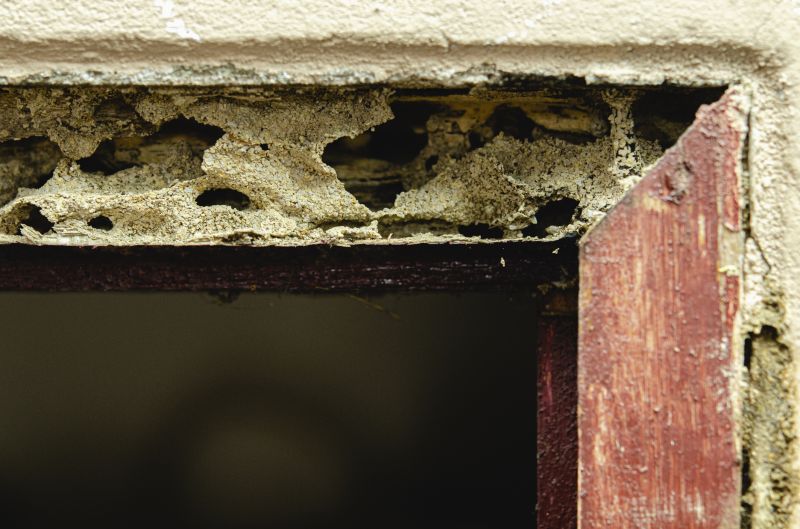
When evaluating service providers for dry rot remediation, it’s important to consider their experience with similar projects. Homeowners should inquire about how many jobs they have completed that involve diagnosing and treating dry rot in residential settings. A contractor with a proven track record in addressing issues like moisture intrusion, wood decay, and structural damage can be more confident in delivering effective solutions. Reviewing the types of properties they have worked on and the complexity of past projects can help determine if they are familiar with the specific challenges that might arise in a home.
Clear, written expectations are essential for a successful remediation process. Homeowners should seek detailed proposals that outline the scope of work, including the identification of affected areas, the methods of treatment, and any necessary repairs or follow-up steps. Having a comprehensive plan in writing helps ensure that both parties understand what will be done and reduces the likelihood of surprises. Service providers who communicate their process clearly and provide detailed documentation can make it easier to compare options and make informed decisions.
Reputable references and good communication are key indicators of a reliable contractor. Homeowners are encouraged to ask for references from previous clients who had similar dry rot issues. Contacting these references can provide insights into the contractor’s professionalism, workmanship, and ability to meet expectations. Additionally, a service provider who responds promptly to questions and communicates openly throughout the process can help foster a smoother experience. It’s important to remember that these local contractors are available to handle the work; this site simply connects homeowners with trusted options to explore and compare.
Property owners in Allen, TX use Dry Rot Remediation services for practical projects around their homes and businesses. This guide focuses on everyday jobs and straightforward project options.
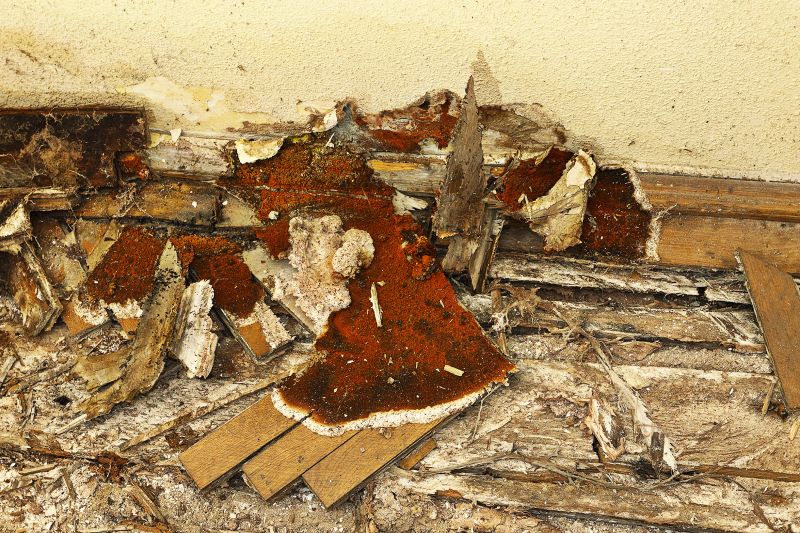
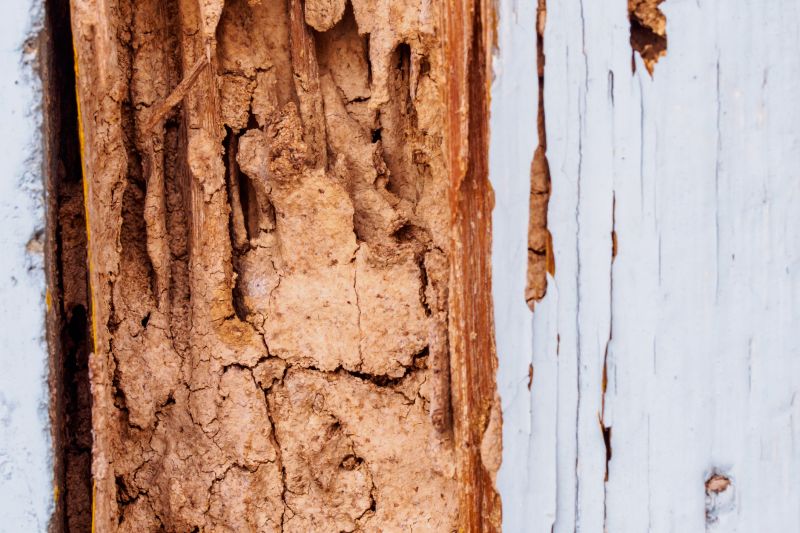
Dry rot can develop in properties when moisture levels become elevated, often due to leaks, poor ventilation, or aging wood. Property owners in Allen, TX, might seek dry rot remediation services after noticing soft, discolored, or crumbling wood in their homes or commercial buildings. These issues can compromise structural integrity if left untreated, making professional assessment and repair essential to maintaining the safety and stability of the property.
Local contractors in Allen are experienced in identifying the signs of dry rot and implementing effective remediation strategies. Homeowners and business owners may contact these service providers when they discover hidden or visible damage in areas such as basements, attics, or exterior structures. Addressing dry rot promptly can help prevent further deterioration and protect the property's value and longevity.
What is dry rot and how does it affect my home? Dry rot is a type of wood decay caused by fungi that can weaken structural wood components, potentially leading to damage if left untreated.
How can I tell if my property has dry rot? Signs include visible mold or fungi growth, musty odors, crumbling wood, and areas where wood feels soft or spongy to the touch.
What methods do local contractors use to remediate dry rot? Contractors typically remove affected wood, treat remaining areas with fungicides, and replace damaged materials to restore structural integrity.
Is dry rot likely to return after remediation? Proper treatment and repairs can reduce the risk of recurrence, but ongoing moisture control and inspections are recommended to prevent future issues.
Can dry rot be prevented in my home? Maintaining proper ventilation, controlling indoor humidity, and addressing leaks promptly can help minimize the risk of dry rot developing.
Identify hidden moisture issues - Local contractors can assess areas like basements and attics to detect early signs of dry rot caused by excess moisture.
Inspect wood structures regularly - Routine evaluations by service providers help property owners catch dry rot before it causes significant damage.
Implement targeted remediation strategies - Professionals can develop practical plans to remove affected wood and prevent future dry rot development.
Enhance ventilation and moisture control - Service providers can recommend improvements to reduce humidity levels and minimize dry rot risk in key areas.
If you are thinking about Dry Rot Remediation for a property in Allen, TX, this guide is meant to help you understand the work, the typical project types, and how different options might fit your plans.
When you are ready, you can use the quote form on this page to share a few details about your project. From there, local pros can review the basics and respond with options that match what you have in mind.